Climate Diagnostics Dashboard
CMIP6 Envelope Comparison
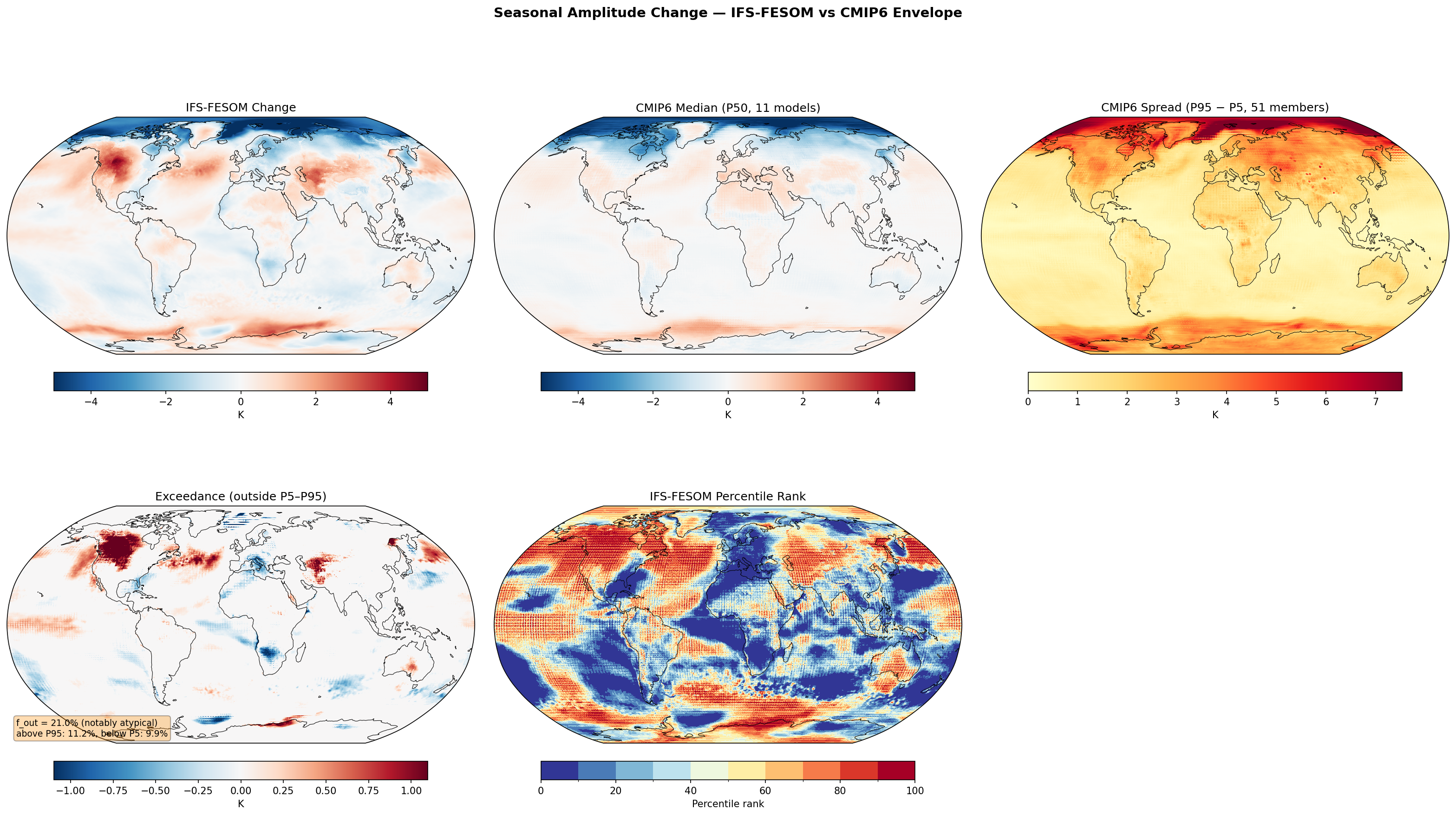
Each DestinE simulation is compared against the P5–P95 percentile envelope of the CMIP6 ensemble (multiple models and variants under SSP3-7.0). The f_out metric shows the fraction of area where DestinE lies outside this envelope. Outside CMIP6 does not mean wrong — it indicates an uncommon response within the CMIP6 distribution.
Tier 1 Core Diagnostics
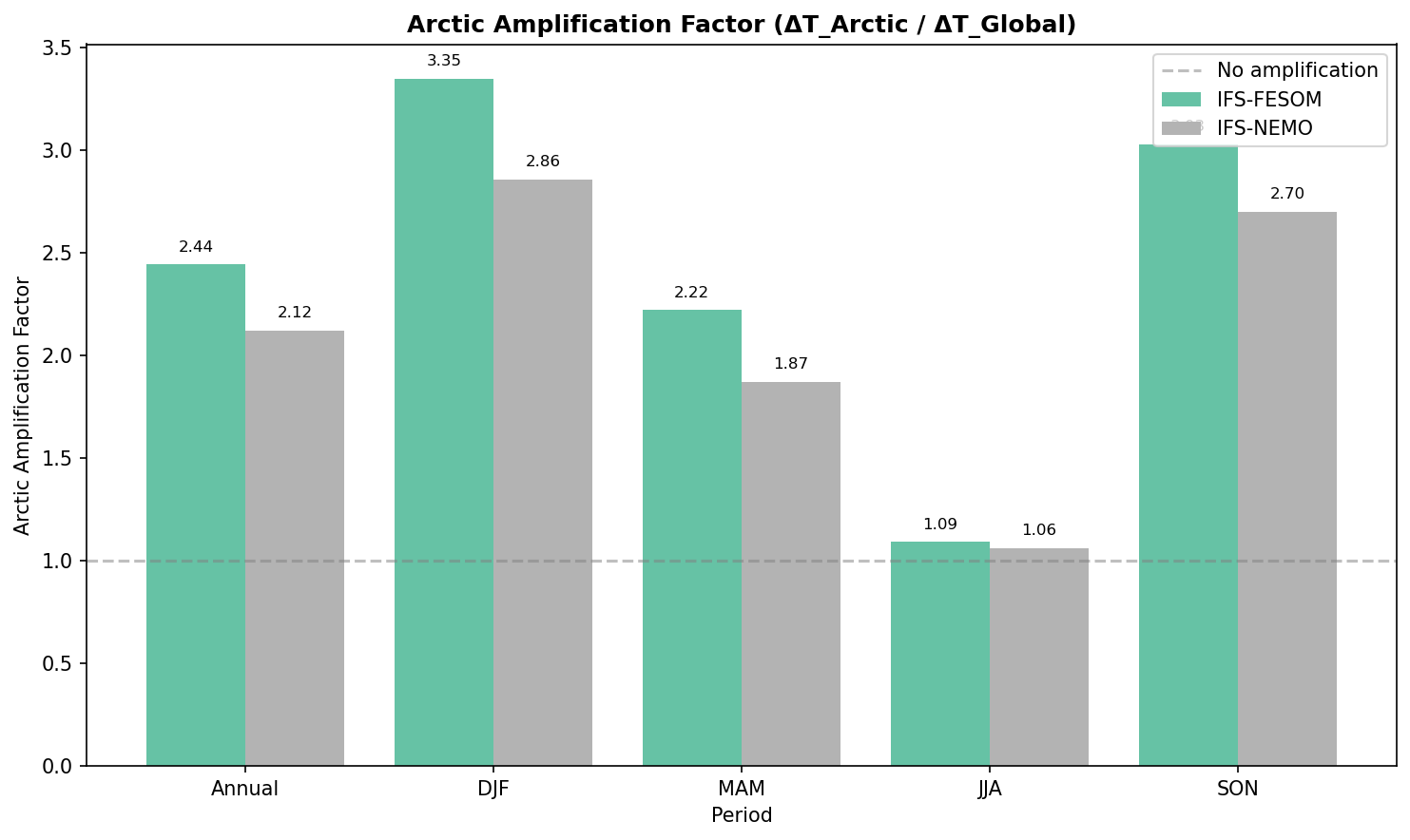
Arctic Amplification
CMIP6
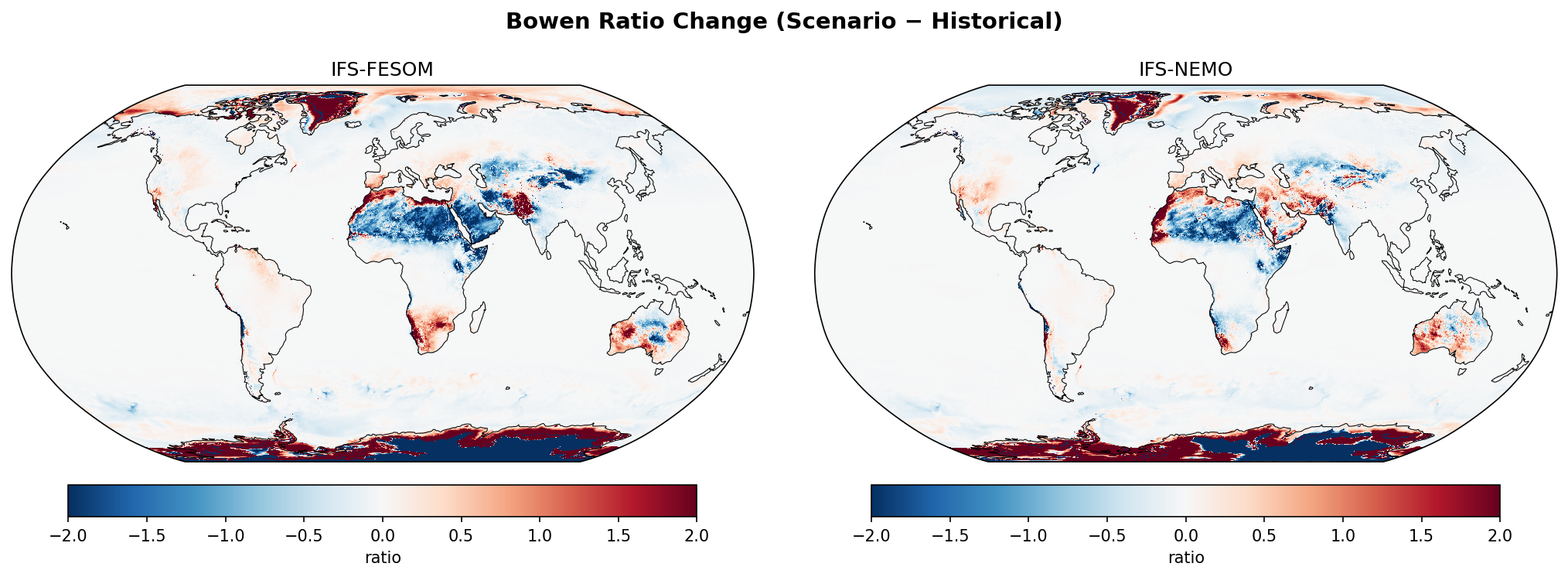
Bowen Ratio
CMIP6
DestinE confirms robust CMIP6 projections of Sahel wetting and subtropical drying but diverges significantly in polar regions, where high-resolution surface coupling drives complex, spatially heterogeneous shifts in energy partitioning.
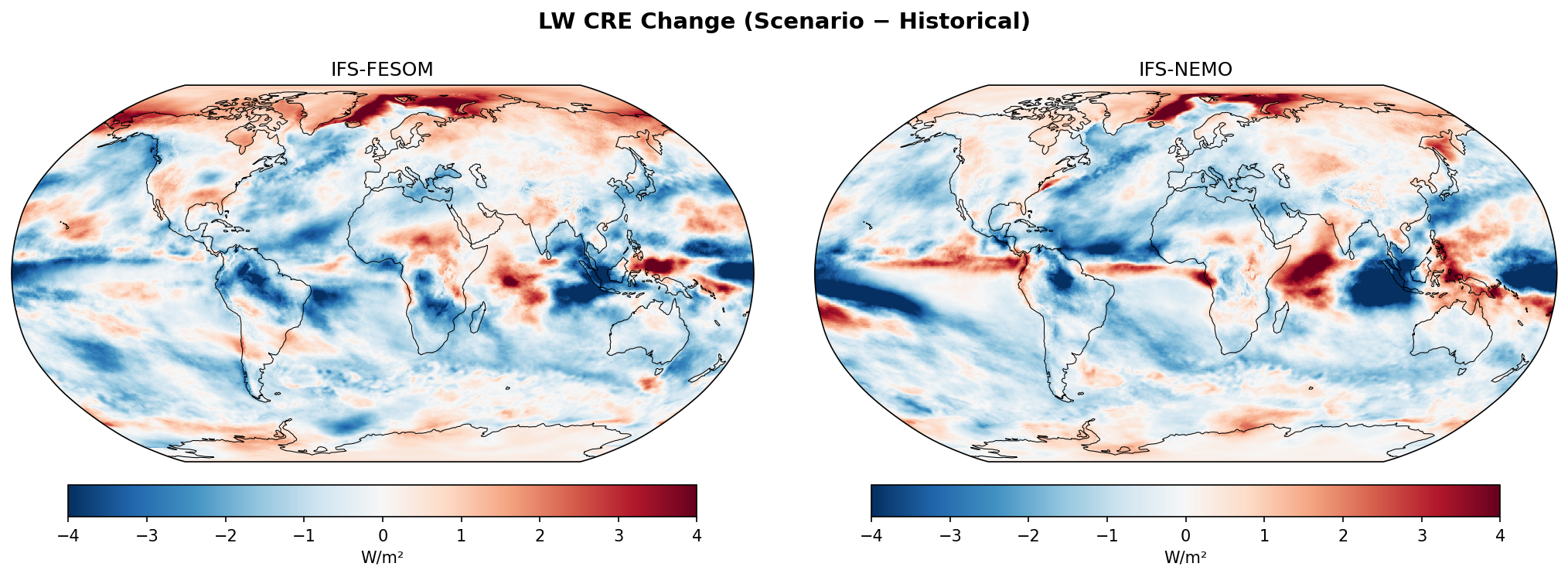
Cloud Radiative Effect
CMIP6
DestinE models project significantly stronger radiative cooling feedbacks over the Southern Ocean and distinctly sharper cloud responses in the Arctic compared to CMIP6, with over 20% of the global area falling below the standard ensemble's lower bound.
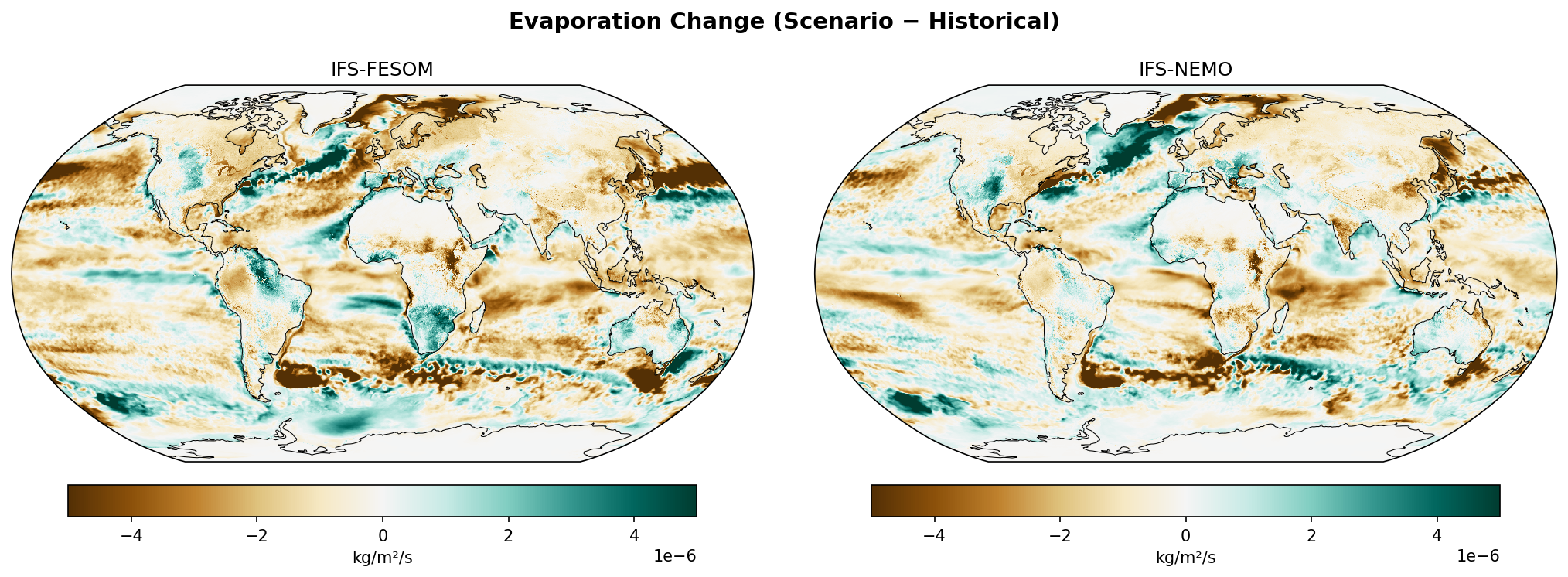
Freshwater Flux (P−E)
CMIP6
DestinE models simulate a significantly sharper hydrological response than CMIP6 ($f_{out}$ > 15%), characterized by narrower tropical convective zones, eddy-resolved air-sea fluxes, and intense Arctic evaporation feedback.
Ocean Heat Content
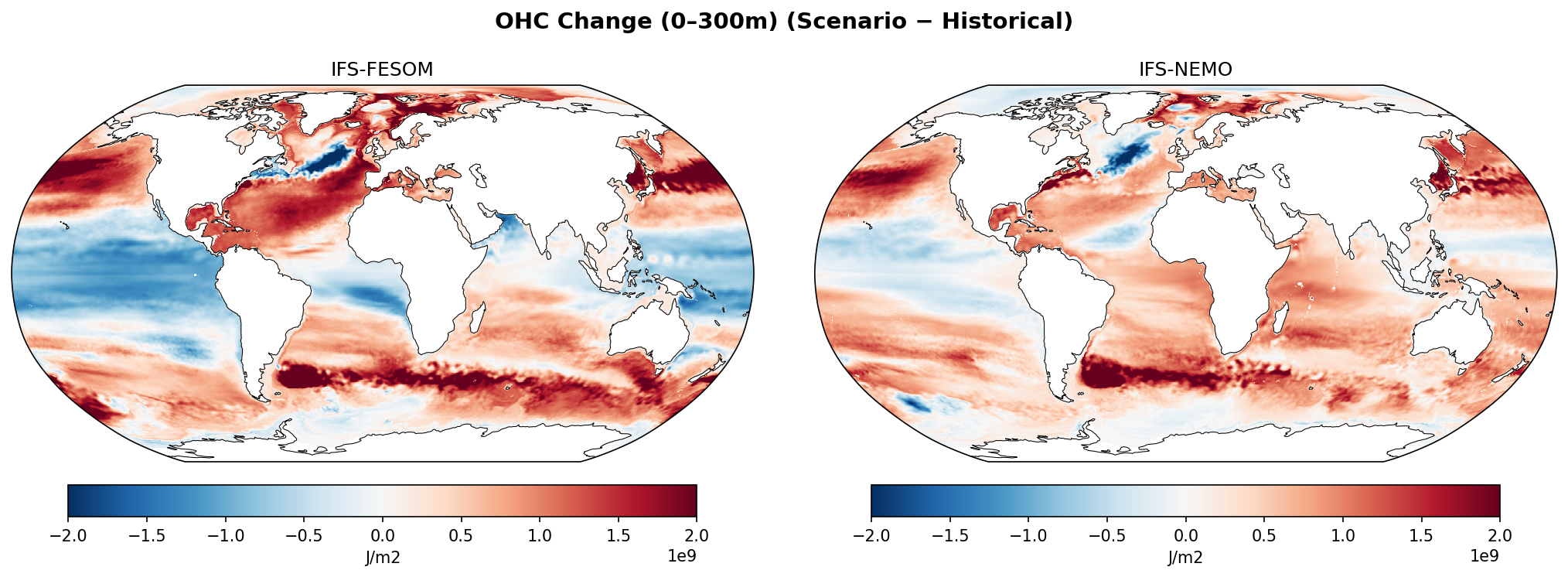
DestinE models consistently resolve robust, eddy-driven heat uptake in the Southern Ocean and AMOC-linked North Atlantic cooling, but diverge in the Tropical Pacific due to differing phases of internal decadal variability.
Sea Ice Changes
CMIP6
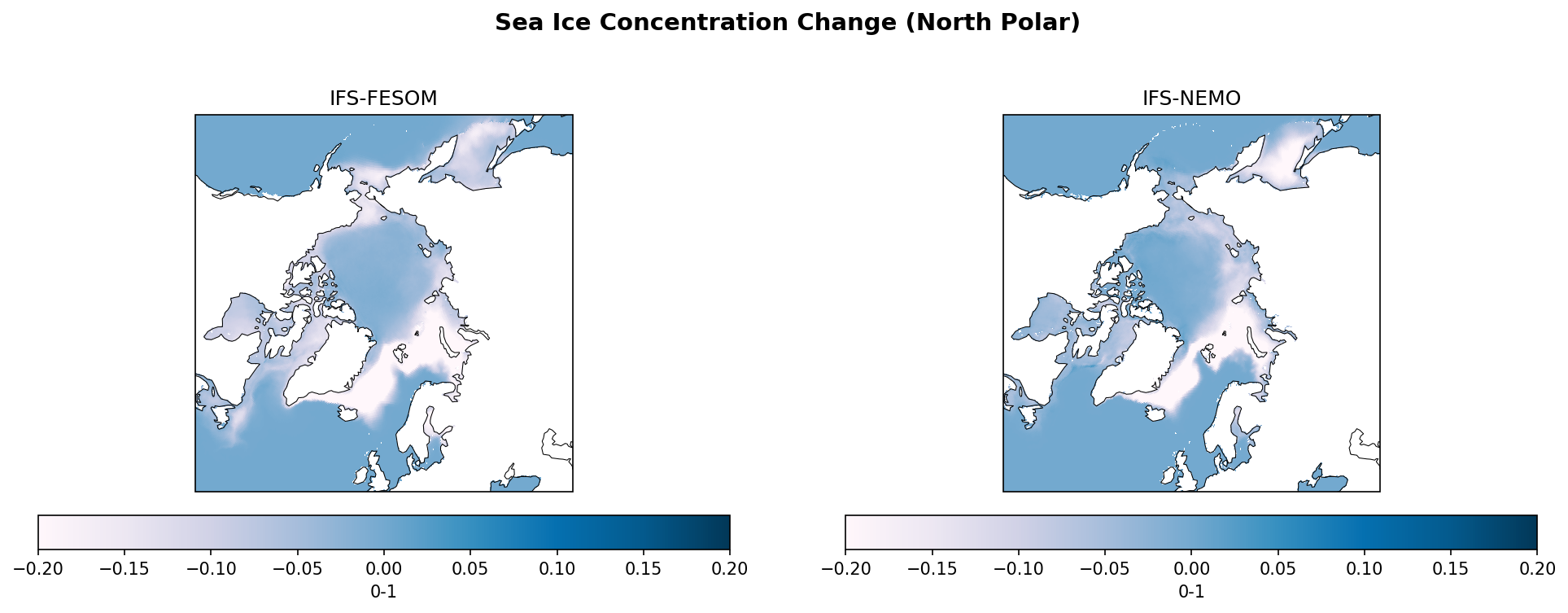
DestinE models project severe Arctic sea ice thinning consistent with CMIP6 but spatially confine surface retreat to marginal seas, while Antarctic responses are dominated by high-resolution dynamical variability within a broad uncertainty envelope.
Seasonal Decomposition
CMIP6
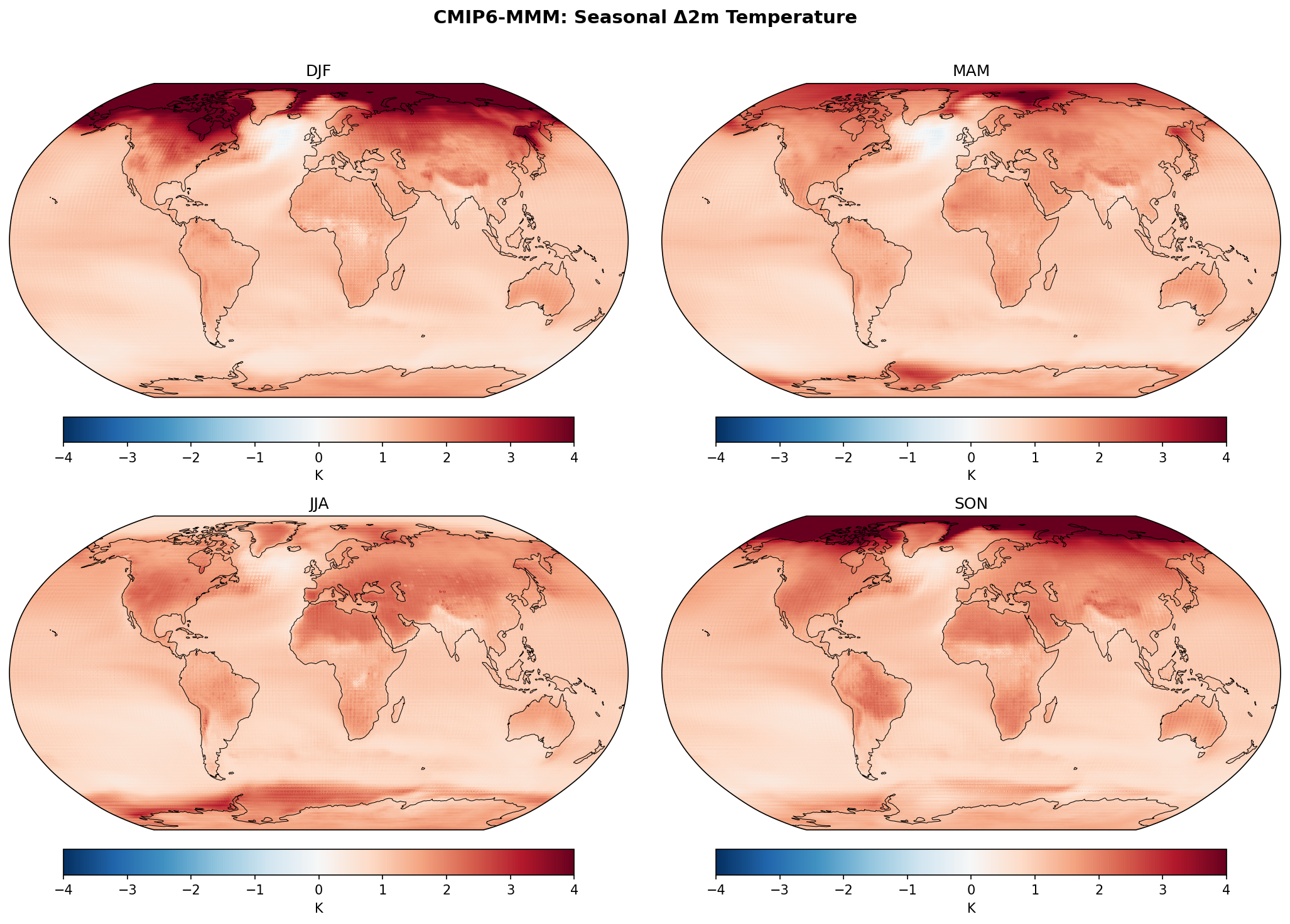
DestinE simulations project notably atypical regional changes ($f_{out} > 15\%$) characterized by a deeper North Atlantic warming hole, intensified Amazon drying, and sharper tropical precipitation shifts than the CMIP6 ensemble.
SST Patterns
CMIP6
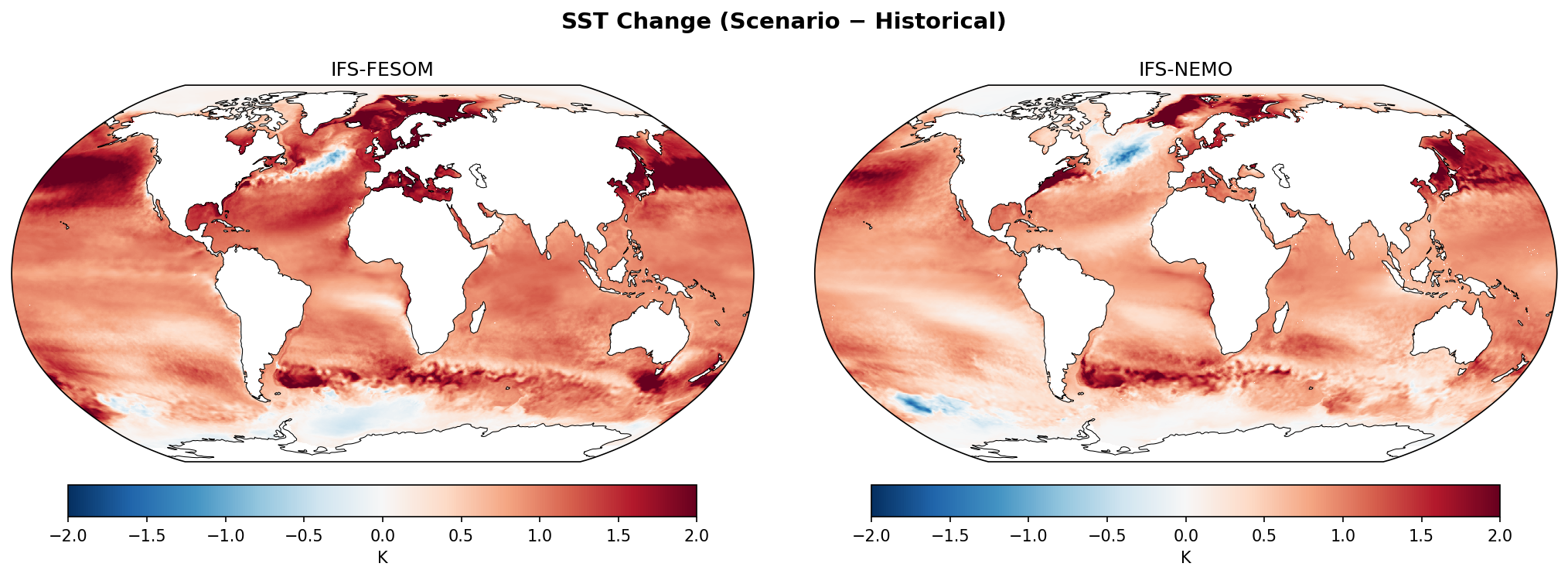
DestinE simulations project spatially distinct SST trajectories with `f_out` rates near 20%, characterized by an intensified North Atlantic warming hole and resolved frontal warming along western boundary currents that lie outside the standard CMIP6 P5–P95 envelope.
Surface Albedo
CMIP6
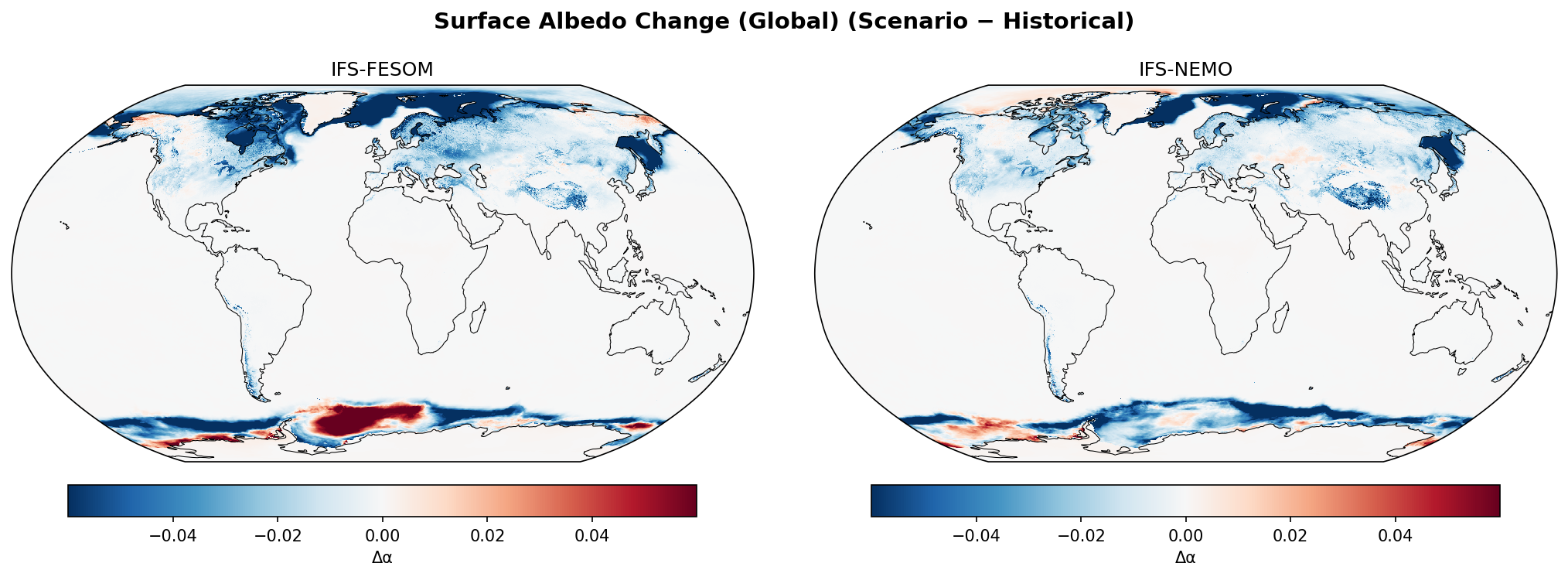
While confirming global cryospheric retreat, DestinE models exhibit distinct regional brightening in the Weddell Sea and Central Arctic driven by resolved ice dynamics and internal variability.
Surface Energy Balance
CMIP6
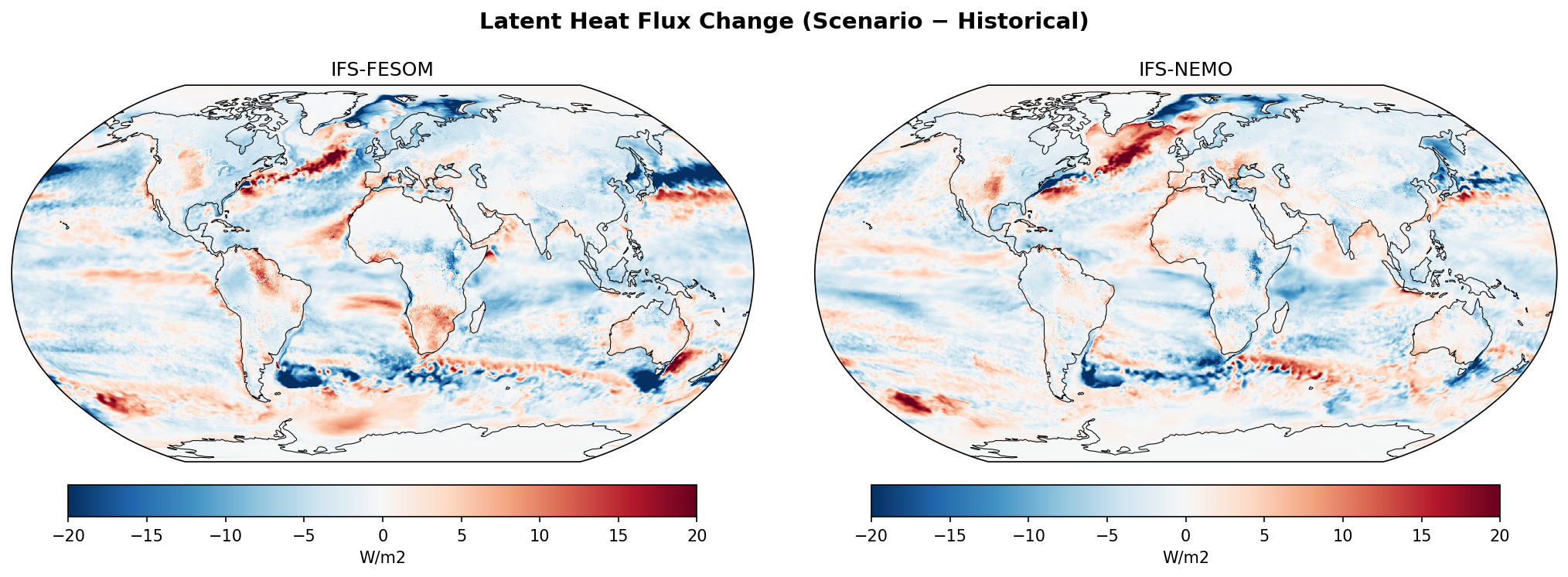
DestinE projects notably atypical surface energy fluxes ($f_{out} > 15\%$) driven by resolved ocean boundary currents, sharper land-surface drying contrasts, and a weaker tropical longwave radiative feedback than the CMIP6 ensemble.
Tier 2 Advanced Diagnostics
Clausius–Clapeyron Test
CMIP6
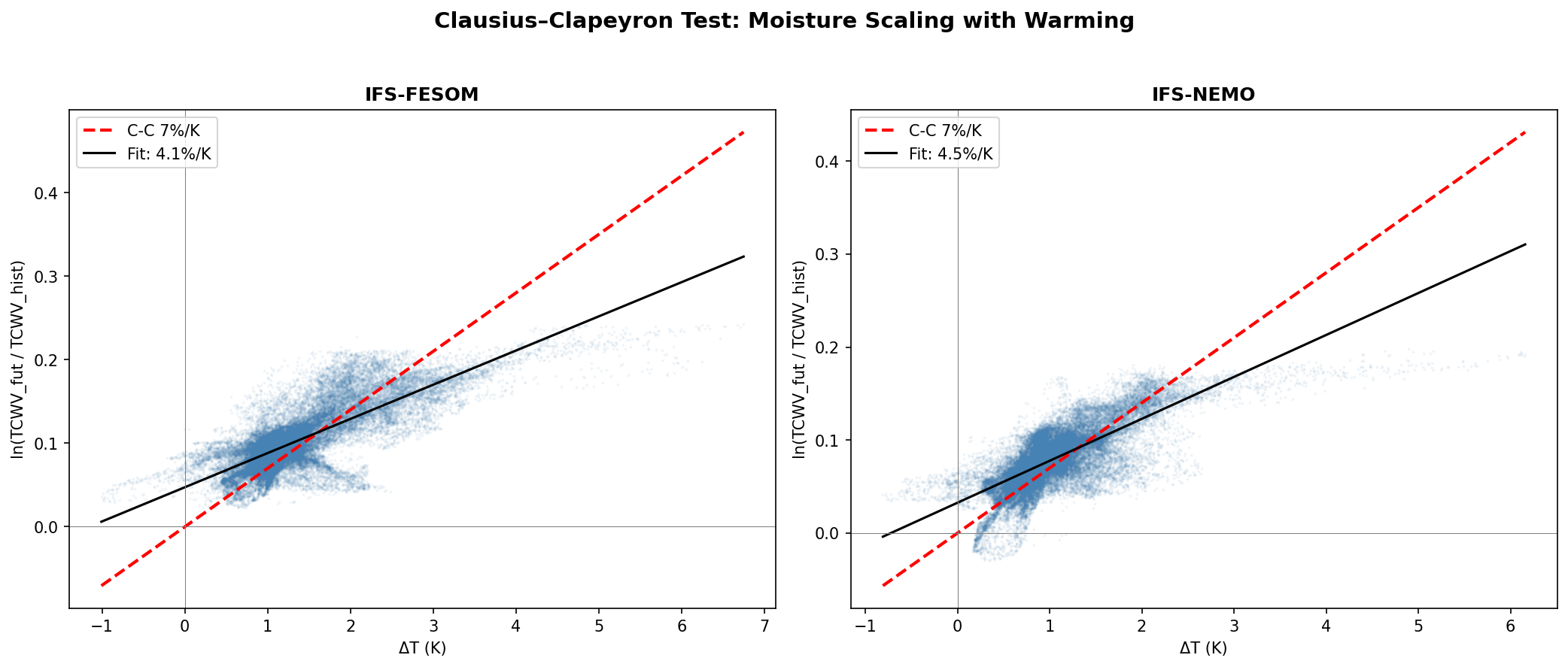
IFS-NEMO and IFS-FESOM exhibit hydrological sensitivities (4.1–4.5 %/K) that exceed the upper bound of the CMIP6 envelope, indicating a stronger water vapor feedback closer to theoretical Clausius-Clapeyron scaling.
Dewpoint Depression Change
CMIP6
Inter-model Agreement
CMIP6
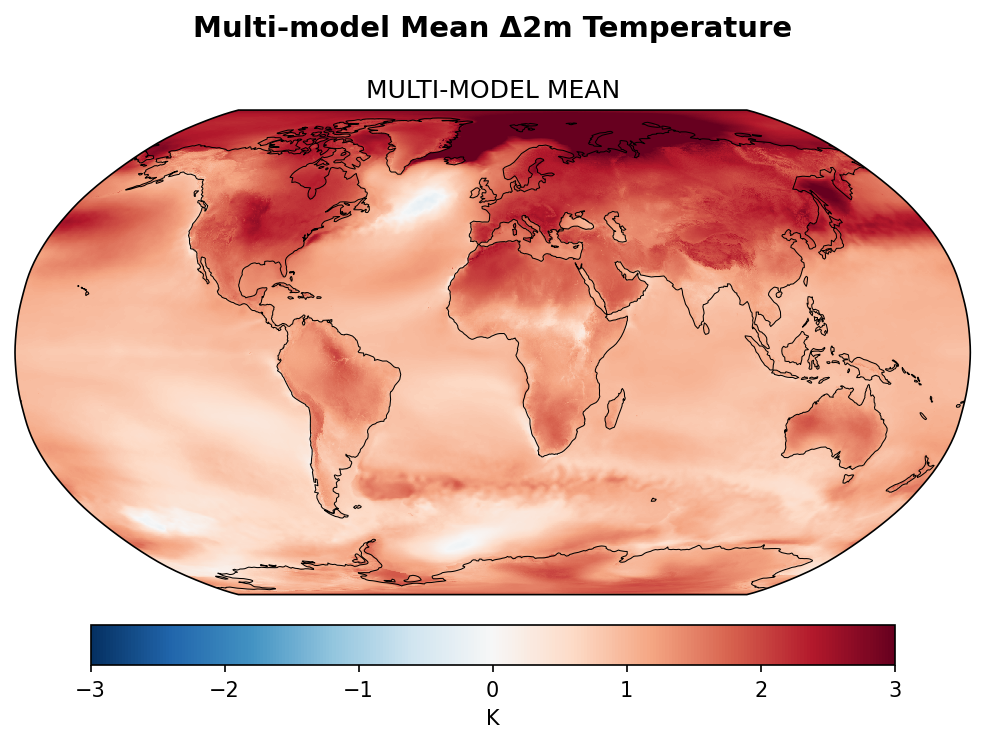
DestinE projects a 'moderately atypical' response (f_out ~8–10%) characterized by a significantly intensified North Atlantic warming hole and sharper, topography-driven precipitation gradients compared to the coarser CMIP6 envelope.
Land–Ocean Warming Contrast
CMIP6
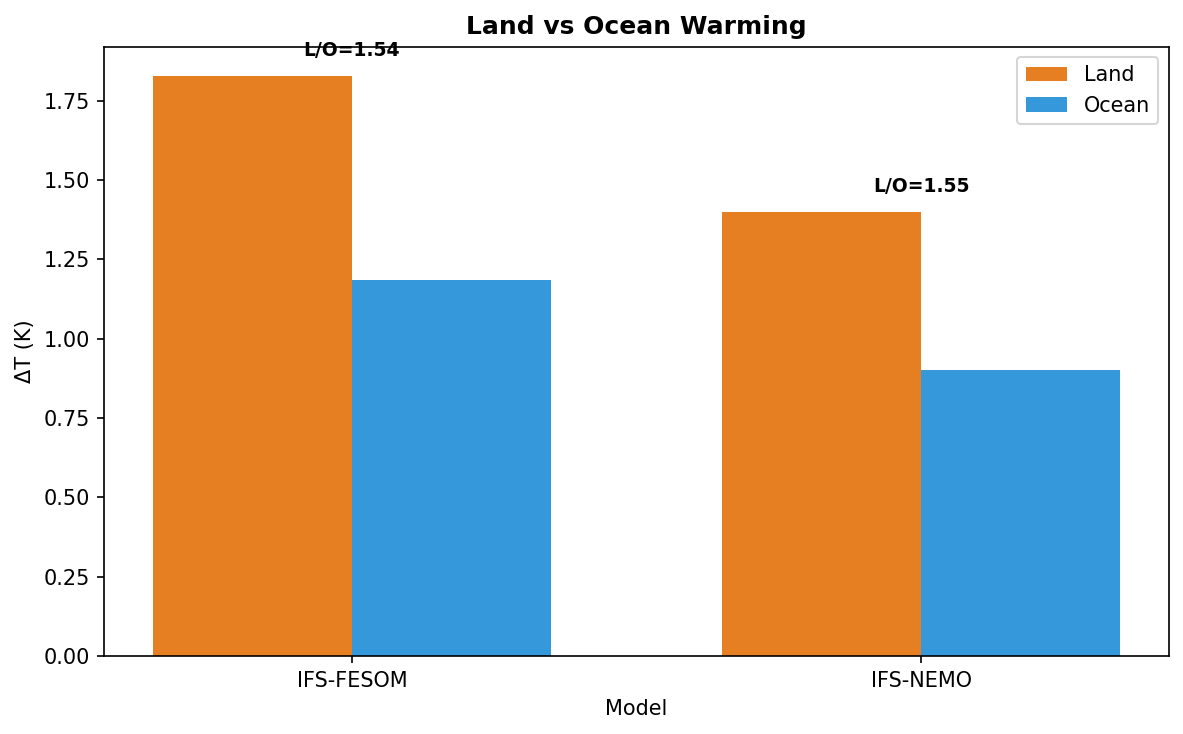
While maintaining standard land-sea warming ratios, DestinE models reveal distinct resolution-driven deviations from CMIP6, specifically resolved coastal upwelling cooling in IFS-FESOM and widespread enhanced oceanic heat uptake in IFS-NEMO.
Ocean vs Atmosphere Attribution
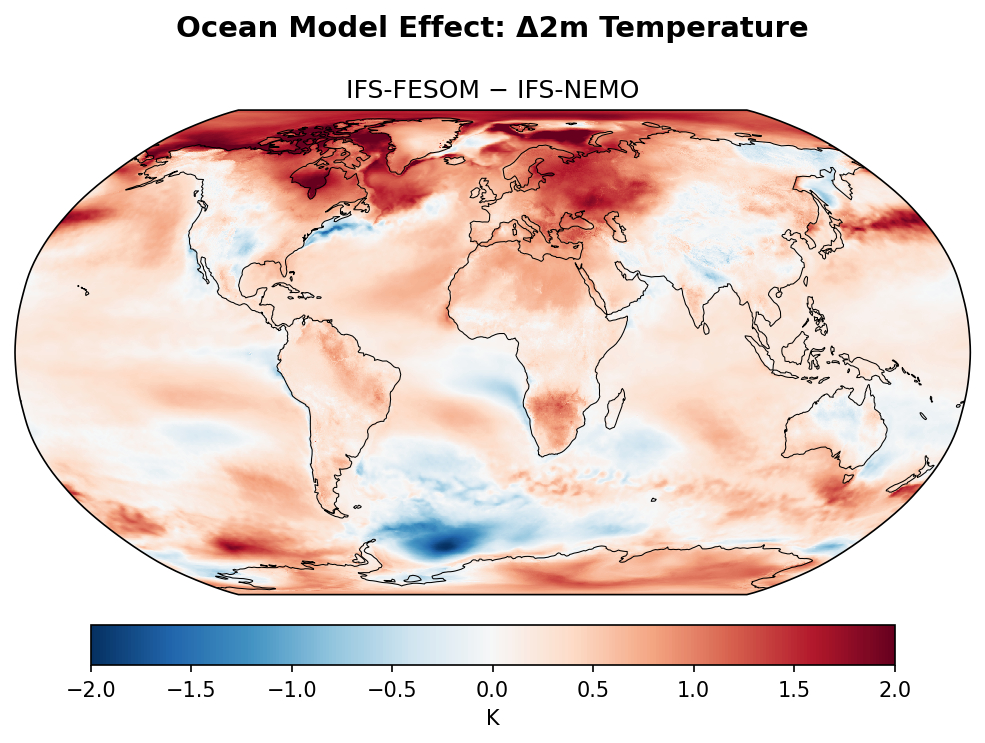
Substituting the ocean component (FESOM for NEMO) significantly alters regional projections, notably removing the North Atlantic 'warming hole' to produce a warmer Europe and sharpening tropical precipitation bands.
Precipitation Concentration Index
CMIP6
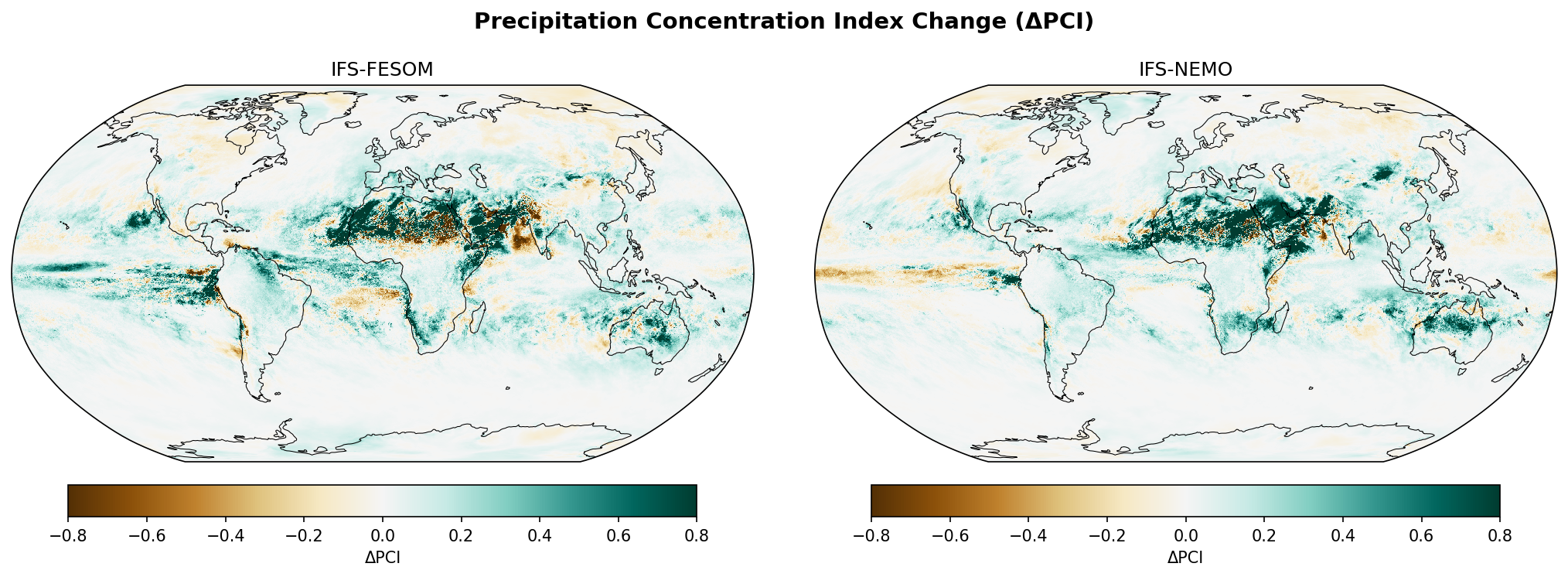
DestinE models confirm a global trend toward intensified precipitation seasonality but exhibit distinct, high-magnitude deviations from CMIP6 in arid regions, with IFS-NEMO projecting significantly sharper increases in rainfall concentration over North Africa and the Middle East.
Seasonal Amplitude Change
CMIP6
DestinE simulations project significantly stronger seasonal temperature amplification over Northern Hemisphere continents and sharper seasonality reduction in the Arctic compared to the CMIP6 ensemble.
Snowfall Fraction Change
CMIP6
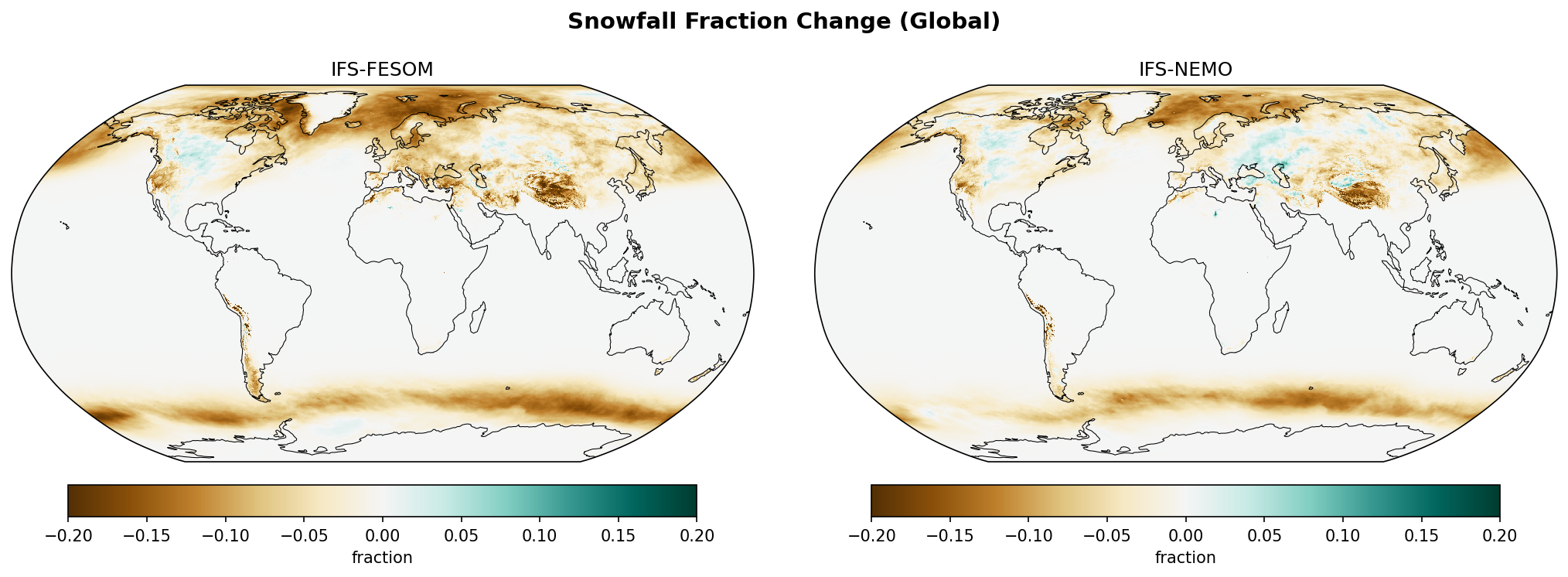
DestinE projects a significantly more aggressive and spatially detailed transition from snow to rain than the CMIP6 ensemble, particularly over maritime storm tracks and high-latitude oceans.
Wet Bulb Temperature
CMIP6
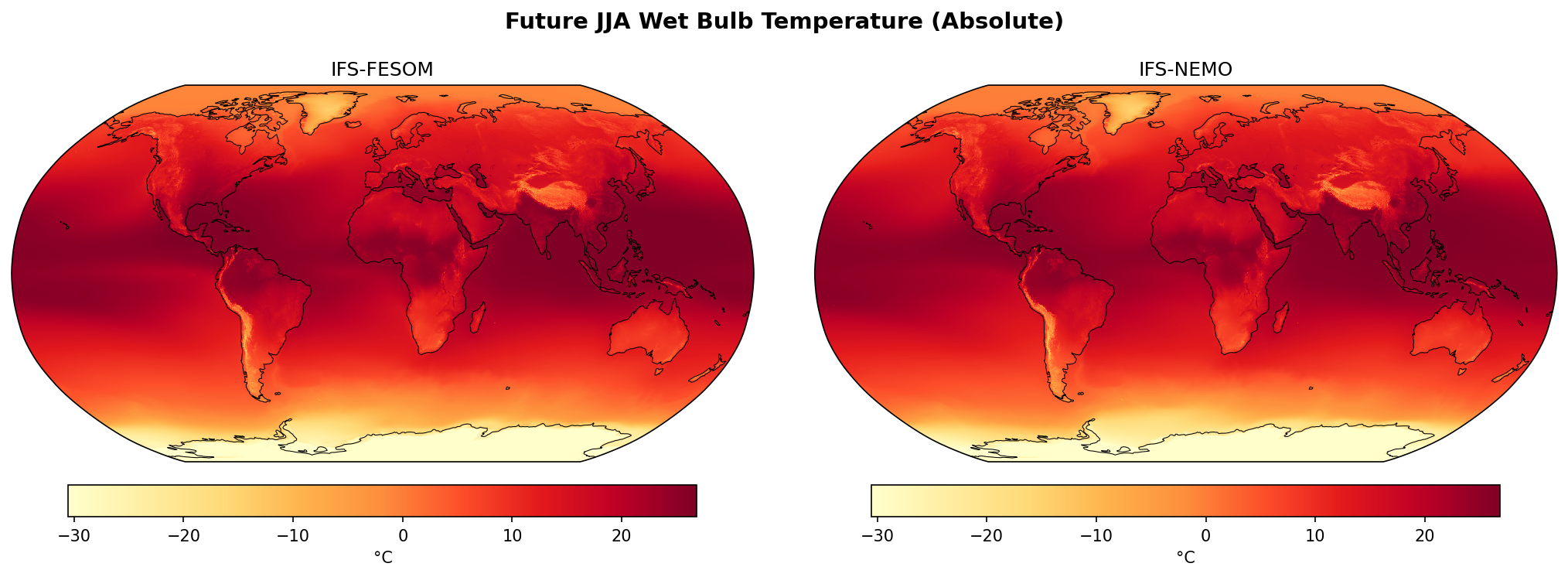
DestinE models validate CMIP6-projected heat stress intensification over land but reveal structurally distinct ocean dynamics, including a sharp North Atlantic 'warming hole' and Gulf Stream warming spike that fall outside the standard CMIP6 envelope.
Zonal Mean Profiles
CMIP6
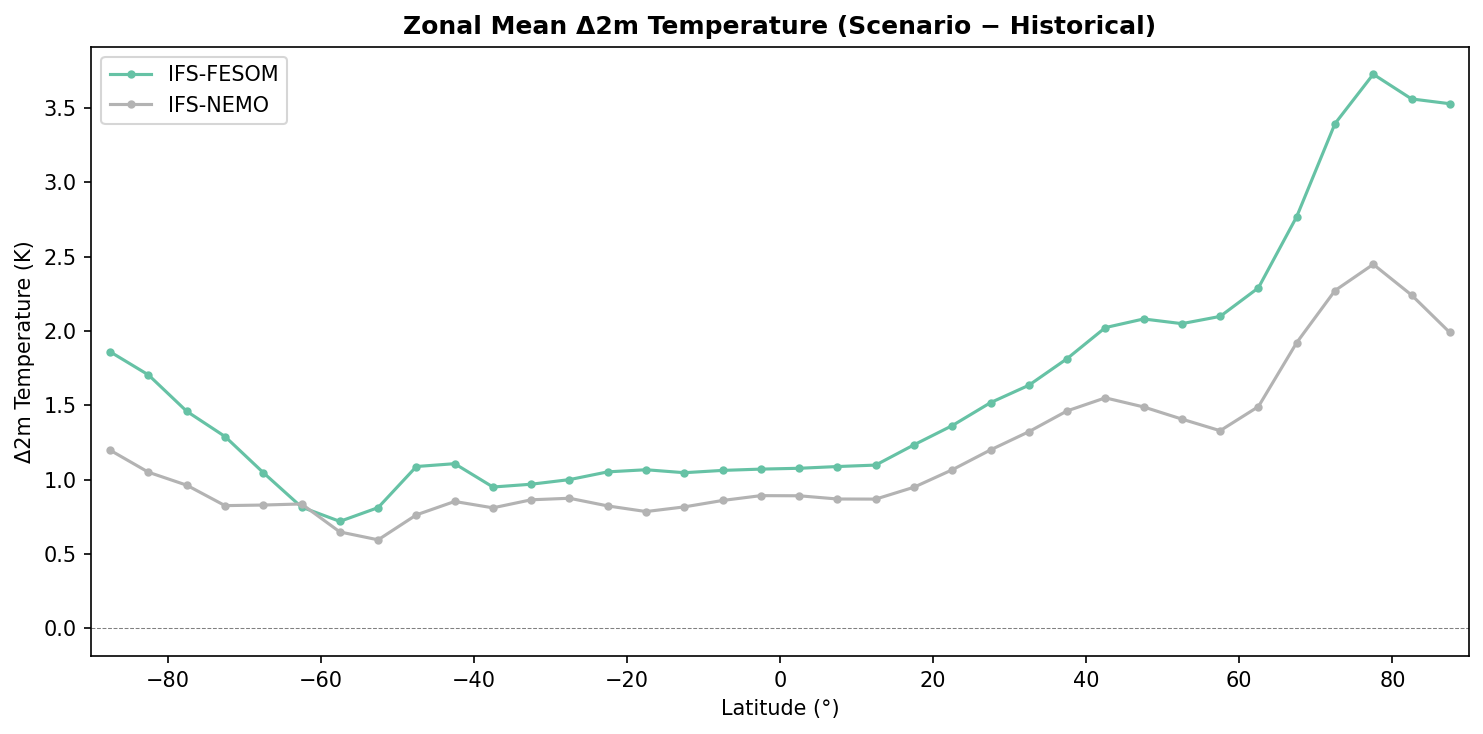
IFS-FESOM aligns with the CMIP6 median for temperature but produces outlier precipitation patterns in the Northern Hemisphere, whereas IFS-NEMO consistently tracks the cold/dry lower envelope (P5) while maintaining standard precipitation structures.
Tier 3 Synthesis Diagnostics
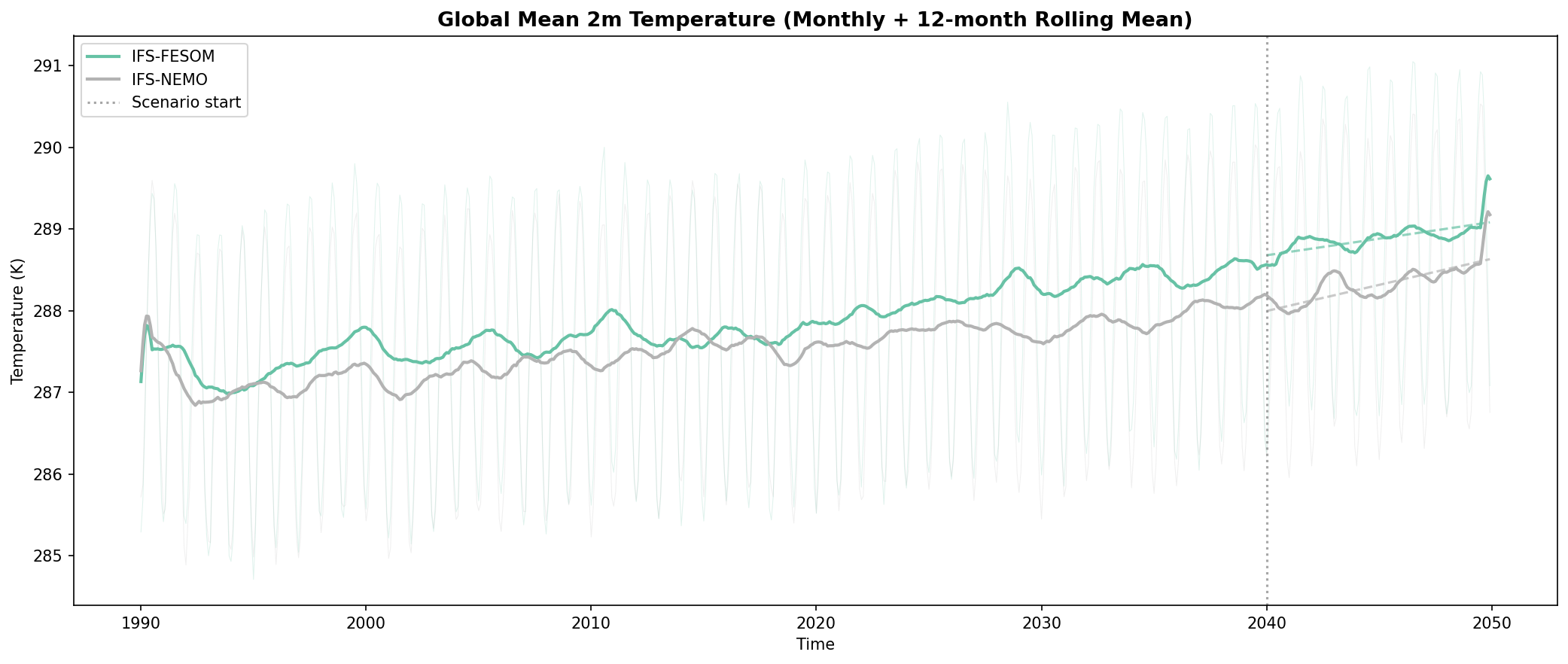
Global Mean Time Series
CMIP6
DestinE models demonstrate global warming trends, hydrological sensitivity, and radiative forcing responses that are statistically indistinguishable from the CMIP6 ensemble median, validating their suitability for projection under SSP3-7.0.
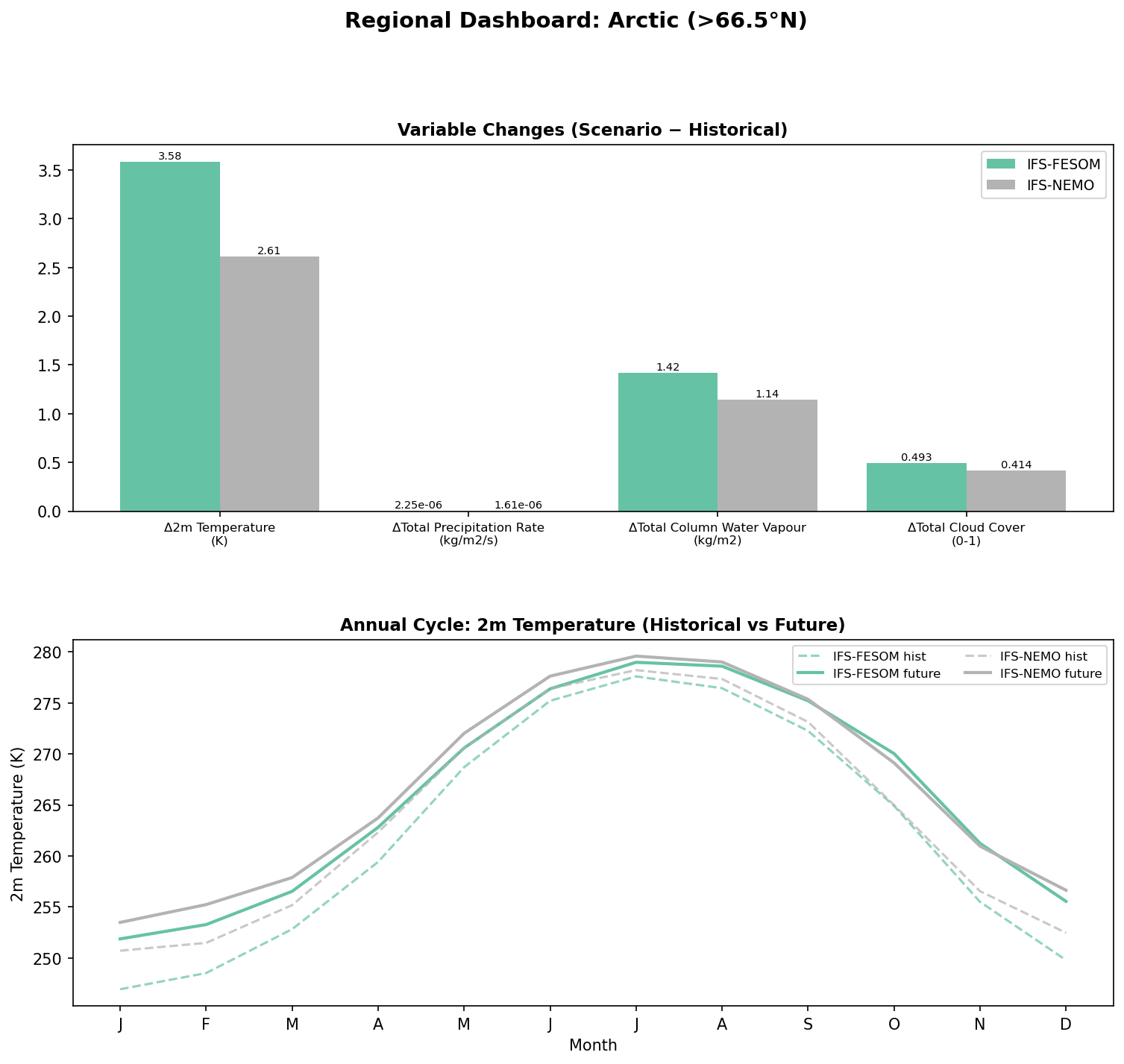
Regional Dashboards
CMIP6
IFS-FESOM exhibits systematically higher climate sensitivity than IFS-NEMO, approaching the upper bound of CMIP6 warming in the North Atlantic and Mediterranean, while both models diverge from CMIP6 in the Sahel by projecting dampened warming due to strong monsoon cloud feedbacks.
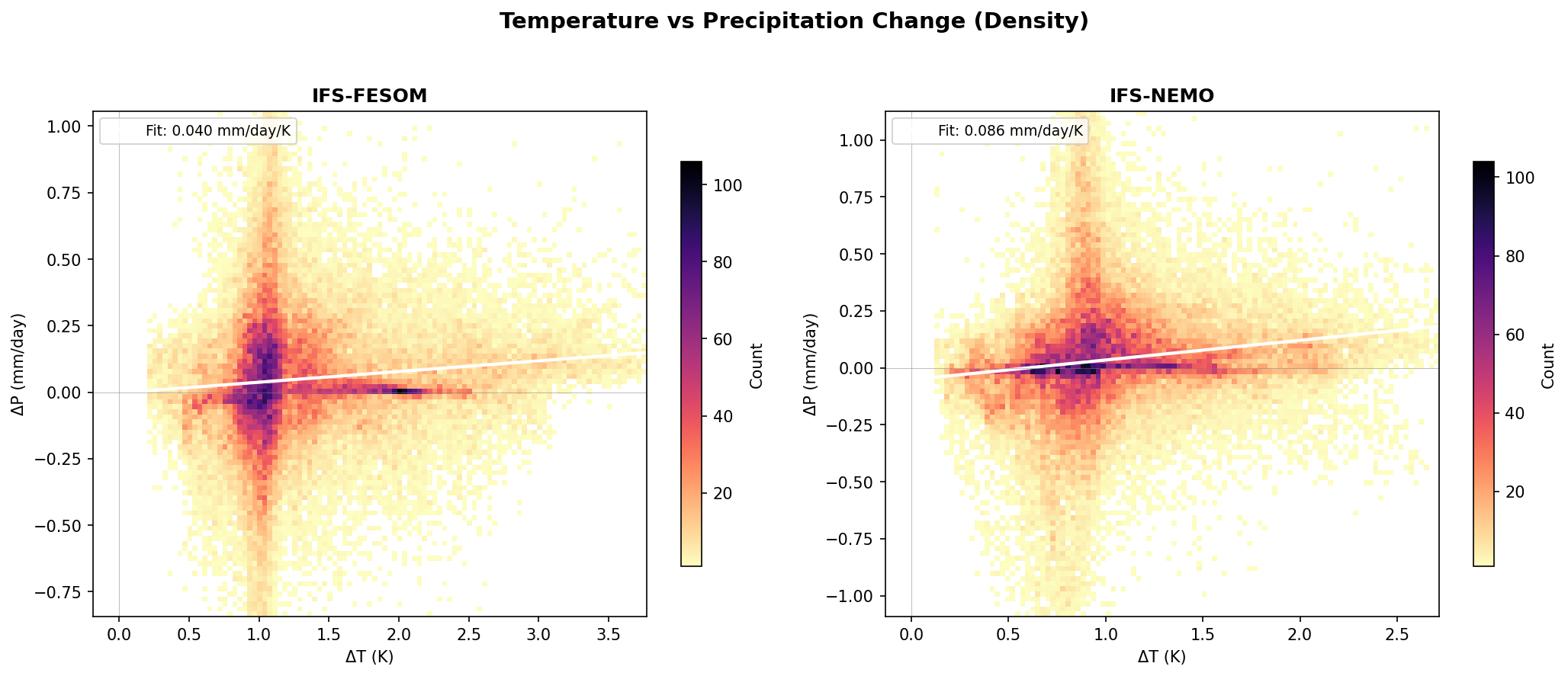
Temperature–Precipitation Scatter
CMIP6
While IFS-FESOM matches the CMIP6 median hydrological sensitivity perfectly (0.040 mm/day/K), IFS-NEMO exhibits a hyper-active hydrological cycle with a sensitivity (0.086 mm/day/K) more than double the standard ensemble response.